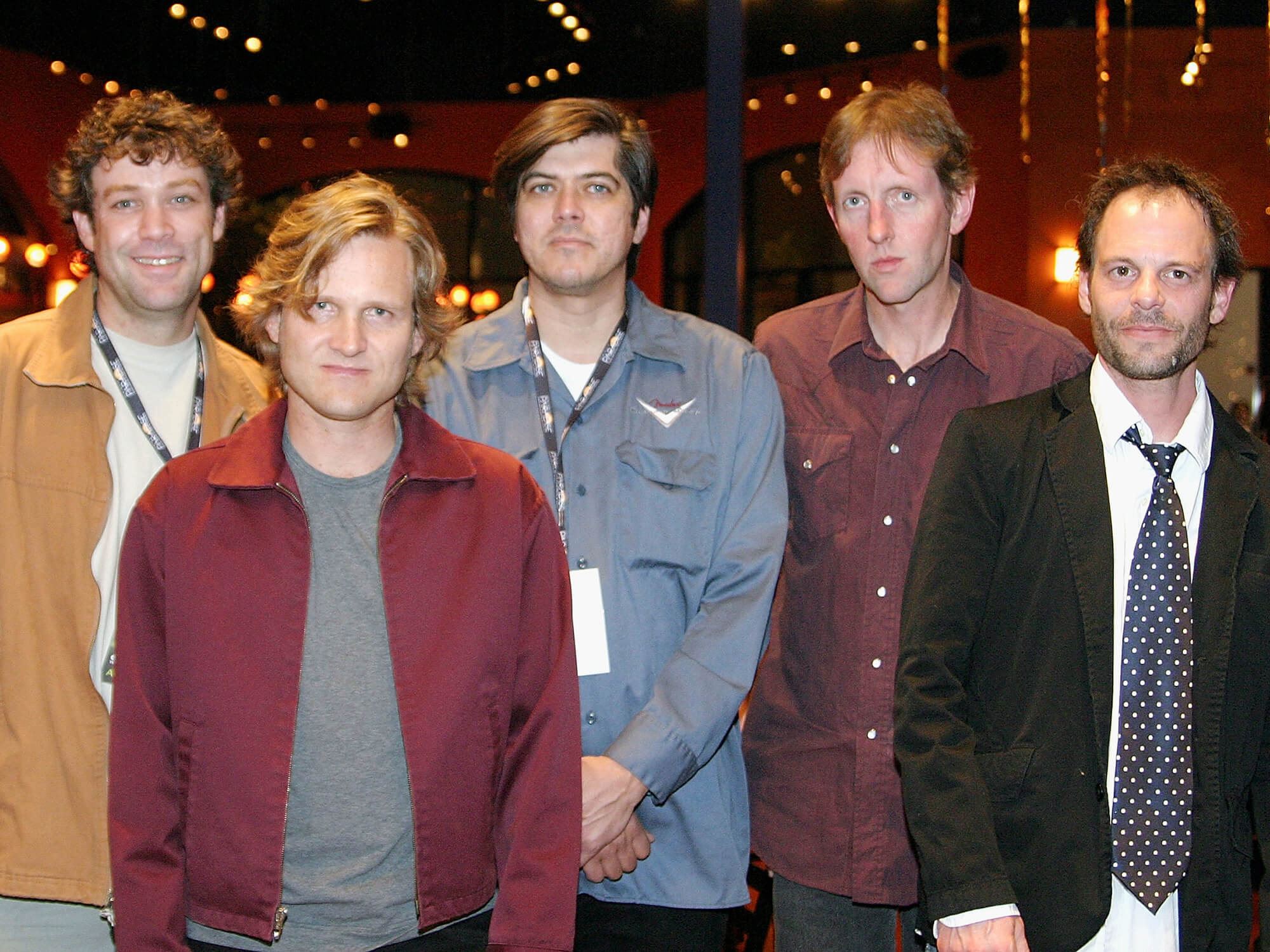
You know that feeling when a song comes on the radio and it just feels like 1993? That chimey, jangling guitar riff at the start of "Hey Jealousy" is the sound of a decade. It’s perfect. But behind that upbeat, breezy melody is a story that’s actually pretty dark and incredibly sad. Most people humming along to the chorus don't realize they're listening to a suicide note set to a major key. The man who wrote that song, Doug Hopkins, was the heart and soul of the Gin Blossoms, and his life—and death—is one of the most tragic "what if" tales in the history of rock and roll.
He didn't get to see the platinum records. He didn't get the Grammy nominations. By the time the world fell in love with his music, he was already gone.
The Tempe Sound and the Birth of a Genius
Tempe, Arizona, in the late 1980s wasn't exactly a global music mecca. It was a college town. But Doug Hopkins and his buddy Bill Leen wanted to change that. They started the Gin Blossoms in 1987, and Doug was the architect. He wasn't just a guitar player; he was the guy who defined their "power pop" sound. It was a mix of The Replacements’ grit and Big Star’s melody. It was raw, honest, and catchy as hell.
Doug was brilliant. People who knew him back then, like local musicians and journalists in the Phoenix scene, described him as the smartest guy in the room. He was a voracious reader. He had this cynical, dry wit that made him a local legend. But Doug also had a massive problem. He drank. A lot. This wasn't just "rock star partying." It was chronic, debilitating alcoholism that started to eat away at the band he built.
The band's early days were spent in bars like Long Wong’s on Mill Avenue. They were local kings. But as the stakes got higher, Doug’s stability got lower. When the Gin Blossoms finally signed to A&M Records, the dream was supposed to start. Instead, it was the beginning of the end for Doug.
The Heartbreak of New Miserable Experience
The title of their breakthrough album, New Miserable Experience, wasn't just a clever phrase. Doug came up with it. It perfectly captured his headspace. While the band was in Memphis at Ardent Studios recording the tracks that would make them famous, Doug was falling apart. He was frequently too drunk to play his parts. The label was getting nervous. The band was terrified.
Eventually, the pressure cooked over. The other members of the Gin Blossoms—Robin Wilson, Jesse Valenzuela, Bill Leen, and Phillip Rhodes—had to make a choice that haunts rock history. They fired him. Imagine that. You spend years building a band, you write the hit songs, and then you're kicked out right before the finish line.
They reportedly withheld $15,000 of his royalties until he signed over his publishing rights. It was a business move, sure, but for Doug, it was a betrayal that he couldn't survive. He felt like his "baby" had been stolen from him.
The Songs That Outlived Him
The weirdest part? The songs Doug wrote were becoming massive hits while he was sitting back in Tempe, watching it happen on MTV.
- Hey Jealousy: This song is basically Doug pleading for a second chance. When he wrote, "If I hadn't blown the whole thing years ago, I might be here with you," he wasn't talking about a girl. He was talking about his life.
- Found Out About You: A darker, more moody track that showcased his ability to write about betrayal and obsession. It hit #1 on the Modern Rock tracks.
- Lost Horizons: A song about drinking your life away. It’s hauntingly autobiographical. "Drink enough of anything to make this world look new again."
He watched from his barstool as "Hey Jealousy" went gold. He saw his replacement, Scott Johnson, playing his guitar parts in the music video. It was a specific kind of hell.
The Final Act in 1993
By late 1993, the Gin Blossoms were superstars. Doug was a ghost in his own hometown. He had started another band called The Chimeras (later The Pistoleros), but he couldn't keep it together. His health was failing. His liver was giving out. He was miserable.
On December 5, 1993, Doug Hopkins went to the hospital for his chronic health issues. He checked himself out early. He went home, bought a .38 caliber pistol, and ended his life. He was only 32.
The tragedy ripple-effected through the industry. The Gin Blossoms continued to find success with the Empire Records soundtrack and their next album, but the "soul" was different. Fans and critics often argue that while the band remained talented, that specific "Hopkins sparkle"—that mixture of high-end melody and low-end despair—was gone forever.
Why We Still Care About Doug Hopkins
It’s easy to dismiss this as another "sad musician" story. But Doug's influence is actually all over modern indie rock. He proved you could be catchy and miserable at the same time. He paved the way for the "sad boy" alt-rock of the late 90s.
Honestly, if you listen to New Miserable Experience today, it doesn't sound dated. It sounds like a guy who had too much to say and not enough time to say it. The music is timeless because the pain in it is real. Doug wasn't pretending to be a tortured artist. He was a tortured artist trying to pretend he was okay long enough to write a chorus.
Misconceptions and the Bitter Reality
There’s a common misconception that the band "stole" Doug’s songs. Legally, they didn't. He was a credited songwriter and his estate still receives royalties. But emotionally? That’s where it gets gray. The band members have spoken over the years about the guilt they felt. Robin Wilson has been open about how difficult it was to move on.
But what could they have done? You can't tour with a lead guitarist who can't stand up. You can't record an album with someone who is disappearing into a bottle. It’s a classic "no-win" situation. If they stayed with him, the band would have folded, and we’d never have heard these songs. By leaving him, they saved the music but lost the man.
What We Can Learn From the Doug Hopkins Legacy
Looking back at the history of the Gin Blossoms, the story of Doug Hopkins serves as a stark reminder of the cost of fame and the brutality of addiction. It’s a cautionary tale, but also a testament to the power of songwriting.
If you’re a fan of 90s rock, or just someone who appreciates good songwriting, here is how you can truly appreciate the Doug Hopkins era:
- Listen to the "Demos": Seek out the early Gin Blossoms demos and the Dusted album (released on a small label before the A&M signing). You can hear Doug's raw guitar work before it was polished for the radio. It’s grittier and more desperate.
- Read the Lyrics Closely: Don't just listen to the melody. Read the lyrics to "Pieces of the Night." It’s a masterclass in songwriting.
- Support Local Scenes: Doug came out of a specific place and time. Tempe was a bubble of creativity. Support your local music scene because the next Doug Hopkins is probably playing in a dive bar near you right now, and they might need help before the world finds them.
- Acknowledge the Complexity: Don't paint the other band members as villains or Doug as a pure victim. It was a mess. Life is messy. Acknowledging that nuance makes the music mean more.
The next time "Hey Jealousy" comes on the radio while you're driving, don't just change the station. Listen to the solo. Listen to the lyrics. Remember that it took a lot of pain to create that much joy for the rest of us. Doug Hopkins might be gone, but as long as those songs are playing, he’s still the loudest guy in the room.