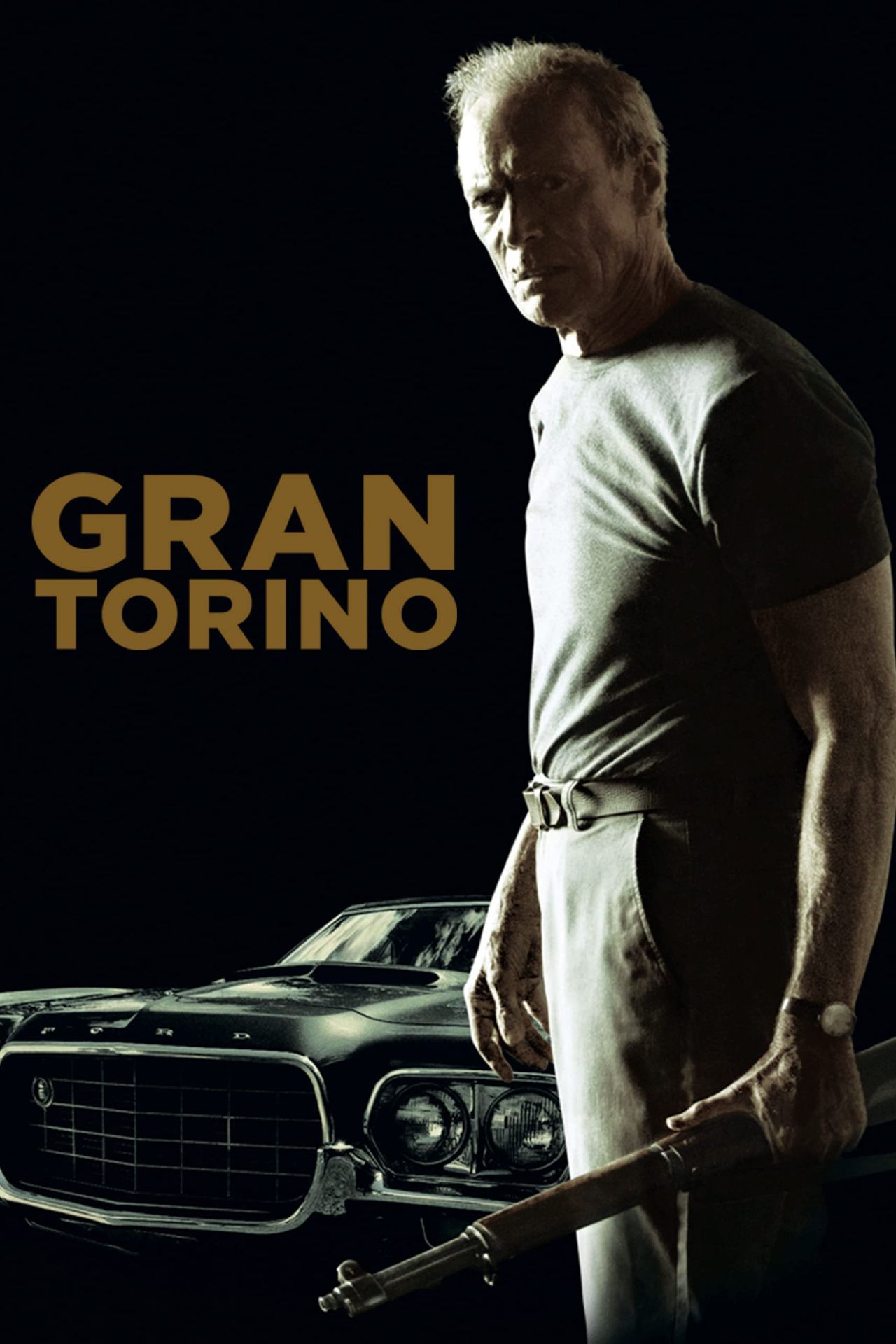
Walk into any classic car show and mention a 1972 Ford Gran Torino. People don't think about the NASCAR heritage or the "Coke bottle" styling first. They think about Clint Eastwood. They think about Walt Kowalski’s pristine, high-compression beast sitting in a garage in Highland Park, Michigan. Honestly, the Gran Torino from the movie isn’t just a vehicle; it’s a character that says more than half the humans in the script. It represents a lost era of American manufacturing, a specific brand of stubborn masculinity, and the bridge between a bitter old man and his Hmong neighbors.
It's funny. Ford actually produced nearly half a million Torinos in 1972. Most of them rotted away in junkyards or fell victim to the rust belt’s salt. But this specific one? It became an icon.
What Kind of Car Was the Gran Torino From the Movie, Really?
Let’s get the technical specs out of the way because car nerds—myself included—will notice if the details are off. The car in the film is a 1972 Ford Gran Torino Sport. It’s the formal roof version, not the fastback (or "SportsRoof" in Ford lingo). This is a crucial distinction. The formal roof looks a bit more "grown-up," which fits Walt’s character perfectly.
Under that long hood sat a 351-cubic-inch Cleveland V8. It wasn't the fastest thing on the block by 2008 standards, but back in '72, it had enough grunt to make a statement. The paint is a deep Forest Green, accented by that iconic laser stripe running down the side.
The Michigan Connection
Walt Kowalski tells his neighbors he helped "set the steering column" on that very car on the assembly line. That’s not just a throwaway line. The Gran Torino from the movie was actually built at the Lorain, Ohio plant, but the spirit of the story is pure Detroit. In the early 70s, the Ford Wixom and Dearborn plants were the lifeblood of the region. Having a car you actually touched—that you built with your own hands—is a level of pride most people today can't wrap their heads around. We buy phones every two years. Walt kept a car for nearly forty.
Think about that.
The car represents the literal sweat and blood of the American middle class. When Thao, the young Hmong protagonist, tries to steal it as part of a gang initiation, he isn't just trying to boost a vintage ride. He’s unknowingly attempting to steal Walt’s soul and his last remaining tie to a world that made sense.
Why the 1972 Model Matters So Much
Why didn't they use a '69 Mustang? Or a '70 Chevelle?
Basically, the '72 Torino was the end of an era. In 1973, federal bumper regulations kicked in, making cars look like they had giant silver overbites. The '72 was the last year of the clean, integrated chrome bumpers and the true muscle car aesthetic before the oil crisis and emissions gear choked the life out of the American V8.
It was the peak. After that, everything went downhill for the American auto industry for a long, long time.
The Aesthetic Choices
The production team didn't just find a random car on Craigslist. They needed something that looked like it had been pampered for three decades. The car used in the film actually belonged to a fan and was sourced specifically for its immaculate condition. Clint Eastwood supposedly liked the car so much he ended up buying it for his own collection after filming wrapped. You can't blame him. It’s a gorgeous piece of steel.
- Color: Dark Green Metallic (Code 4Q).
- Interior: Ginger knit vinyl bucket seats.
- Wheels: Magnum 500s, the only choice for a Ford of that era.
The Gran Torino as a Symbol of Redemption
If you watch the movie closely, the car barely moves for the first two acts. It sits behind a locked garage door. It’s a museum piece. A shrine to the man Walt used to be.
The moment Walt lets Thao help him detail the car, the dynamic shifts. Giving a kid a chamois cloth and telling him how to clean a chrome bumper is basically a baptism in that world. It’s where the "get off my lawn" energy transforms into mentorship.
By the time the Gran Torino from the movie is willed to Thao at the end, the car has completed its journey. It’s no longer a relic of a dead past; it’s a vehicle for a young man’s future. The irony is thick: a car built by a man who harbored deep prejudices is left to the very person who helped him shed them.
Common Misconceptions About the Car
I see people online all the time getting the details wrong. No, it is not the same car from Starsky & Hutch. That was a 1975/76 model—much bulkier, with a different grille and those massive 5-mph bumpers I mentioned earlier. The '72 is sleeker.
Also, despite what some forums claim, it wasn't a Cobra Jet. While Ford did offer the 429 engine that year, the movie car sports the 351, which was the more common "street" performance engine. It’s a working man’s car, not a drag strip queen.
Where is the Car Now?
Fans often wonder if they can see it. As of the last reliable reports, the car remains in Clint Eastwood’s private collection. He’s known for keeping significant props from his films, especially the ones that resonate with him personally. It occasionally makes appearances at high-end charity events or car shows in California, but it’s mostly kept under wraps.
It’s fitting, really. It’s still being pampered, just like Walt would have wanted.
How to Build Your Own Movie Tribute
If you're looking to recreate the Gran Torino from the movie, be prepared to hunt. The 1972 Sport models are becoming increasingly rare.
- Find a Q-Code car: Look for the 351 Cleveland engine. It's the heart of the beast.
- Paint it right: Don't just go to Maaco. You need that specific Ford Dark Green Metallic to capture the depth seen on screen.
- The Laser Stripe: You can buy reproduction decal kits. Getting them straight is a nightmare, but it’s what makes the car "the" car.
- Interior Swap: Most '72s had bench seats. You’ll want the high-back buckets to match Walt’s.
The Impact on the Collector Market
Before the movie came out in 2008, the 1972 Gran Torino was a bit of an underdog. It lived in the shadow of the Mustang and the Fairlane. After the film? Prices spiked. A clean, "survivor" condition Sport model can now fetch anywhere from $35,000 to $60,000, depending on the engine options.
That’s the "Clint Effect." He took a car that was middle-of-the-road and made it legendary by associating it with a specific set of values: hard work, maintenance, and standing your ground.
Actionable Steps for Enthusiasts
If you're serious about the Gran Torino from the movie or classic Fords in general, stop browsing generic sales sites and get into the niche communities.
Start by joining the Torino Registry. They track VINs and can tell you if a car you're looking at is a legitimate Sport model or just a base Torino with a sticker package. Check the door plate codes for the "63R" body style—that’s the Sport formal roof.
Next, look for rust in the rear quarter panels and the trunk floor. These cars were notorious for trapping water. If you find one that's solid, buy it. You aren't just buying a car; you're buying a piece of cinema history that actually has some soul left in it.
Keep the oil changed, keep the chrome polished, and for heaven's sake, keep it in the garage unless you're driving it. Walt wouldn't have it any other way.